
We all know that a good night’s sleep is essential for our health and well-being. It helps us feel rested, recharge our brains, and keep our bodies functioning properly. At the same time, we often hear about the importance of Vitamin D, the “sunshine vitamin,” for strong bones and a healthy immune system. But what if these two cornerstones of health are more connected than we think? Emerging science suggests a powerful link between Vitamin D levels and the quality of our sleep.
This article will explore the fascinating relationship between Vitamin D and sleep. We will break down what Vitamin D is, how our bodies use it, and why not getting enough might be silently sabotaging your rest. We’ll look at the science behind how this nutrient influences sleep regulation and its connection to common sleep disorders. Finally, we’ll provide practical, easy-to-follow tips on how you can optimize your Vitamin D levels for a better, more restorative night’s sleep.
Understanding Vitamin D
Before we dive into its effects on sleep, let’s get a clear picture of what Vitamin D is and why it’s so important for our overall health.
A. What is Vitamin D?

Vitamin D is a fat-soluble vitamin, which means it dissolves in fats and oils and can be stored in your body’s fatty tissue and liver. Unlike most other vitamins that we must get from food, our bodies can produce Vitamin D on their own when our skin is exposed to sunlight. This unique ability is why it’s famously called the “sunshine vitamin.”
Its primary role in the body is to help regulate calcium and phosphate levels, which are vital for building and maintaining healthy bones, teeth, and muscles. Without enough Vitamin D, our bodies can’t absorb calcium effectively, which can lead to bones becoming soft and weak.
There are two main forms of Vitamin D:
- Vitamin D2 (ergocalciferol): This form is primarily found in plant-based sources like fortified foods, mushrooms, and dietary supplements.
- Vitamin D3 (cholecalciferol): This is the form your body produces when exposed to sunlight. It is also found in animal-based foods like fatty fish (salmon, mackerel), fish liver oils, and egg yolks. Many experts believe that Vitamin D3 is more effective at raising and maintaining overall Vitamin D levels in the blood compared to D2.
B. Vitamin D Deficiency
Despite its importance, Vitamin D deficiency is a widespread global issue. It’s estimated that nearly 1 billion people worldwide have low levels of the vitamin, affecting people of all ages and ethnicities.
Several factors can cause or contribute to Vitamin D deficiency:
- Lack of Sun Exposure: This is the most common cause. People who live in northern latitudes, spend most of their time indoors, wear clothing that covers most of their skin, or consistently use sunscreen may not produce enough Vitamin D.
- Darker Skin Tone: Melanin, the pigment that makes skin darker, reduces the skin’s ability to produce Vitamin D from sunlight. Individuals with darker skin need more sun exposure than those with lighter skin to produce the same amount of Vitamin D.
- Age: As we get older, our skin becomes less efficient at producing Vitamin D. Additionally, older adults may spend more time indoors and have dietary limitations.
- Diet: For those who don’t get regular sun exposure, a diet low in Vitamin D-rich foods (like fatty fish and fortified milk) can lead to deficiency.
- Obesity: Vitamin D is extracted from the blood by fat cells, altering its release into circulation. People with a body mass index (BMI) of 30 or greater often have lower blood levels of Vitamin D.
- Certain Medical Conditions: Conditions that affect fat absorption, like Crohn’s disease, celiac disease, and cystic fibrosis, can reduce the body’s ability to absorb Vitamin D from food.
C. Sources of Vitamin D
You can increase your Vitamin D levels in three primary ways:
- Sunlight: For most people, direct sunlight exposure is the main source of Vitamin D. Just 10-30 minutes of midday sun exposure to the arms and legs a few times per week can be enough for many individuals with lighter skin tones. However, the amount of time needed varies greatly depending on location, season, skin type, and time of day.
- Dietary Sources: Incorporating certain foods into your diet can help boost your levels. Excellent sources include:
- Fatty fish like salmon, herring, and sardines.
- Cod liver oil.
- Canned tuna.
- Egg yolks.
- Mushrooms (especially those exposed to UV light).
- Fortified foods, such as milk, orange juice, yogurt, and breakfast cereals.
- Supplements: For those who cannot get enough Vitamin D from the sun and food, supplements are an effective and reliable option. They are available over-the-counter in both D2 and D3 forms.
The Role of Vitamin D in Sleep
Now that we have a solid understanding of Vitamin D, let’s explore its surprising connection to our sleep patterns. Scientists have discovered that this vitamin plays a significant role in how well and how long we sleep.
A. Vitamin D and Sleep Regulation
The parts of the brain that control sleep, including the brainstem and hypothalamus, have been found to contain Vitamin D receptors. This suggests that Vitamin D directly interacts with the areas responsible for regulating our sleep-wake cycle.
Research indicates that Vitamin D is involved in the pathways that produce melatonin, the hormone that governs our sleep. Melatonin signals to your body that it’s time to rest. If Vitamin D levels are low, it could potentially disrupt melatonin production, making it harder to fall asleep and stay asleep.
Furthermore, studies have shown that people with low Vitamin D levels often report poorer sleep quality, shorter sleep duration, and more nighttime awakenings. They are more likely to take longer to fall asleep and feel less rested in the morning.
B. Vitamin D Receptor and Sleep
To understand how Vitamin D works, we need to talk about its receptors. A “receptor” is like a lock on a cell, and Vitamin D is the key. When Vitamin D binds to its receptor, it triggers specific actions within that cell.
The discovery of Vitamin D receptors (VDR) in key sleep-regulating areas of the brain was a breakthrough. It provided a direct biological link explaining how the vitamin could influence sleep. When Vitamin D activates these receptors, it appears to influence the genes and pathways that help manage our circadian rhythm—our body’s internal 24-hour clock. A properly functioning circadian rhythm ensures we feel sleepy at night and alert during the day. A deficiency in Vitamin D might mean these important sleep-regulating processes aren’t working as efficiently as they should.
C. Association Between Vitamin D Levels and Sleep Quality
A growing body of research has drawn a clear line between Vitamin D levels in the blood (serum levels) and sleep quality. Multiple studies have found that individuals with low serum Vitamin D are significantly more likely to experience poor sleep.
For example, one study published in the journal Sleep found that lower Vitamin D levels were associated with shorter sleep duration and lower sleep efficiency (the percentage of time spent asleep while in bed). Another large-scale study observed that people with Vitamin D deficiency were almost twice as likely to report sleeping less than five hours a night compared to those with adequate levels.
This correlation holds across different populations, from young adults to the elderly. The evidence strongly suggests that maintaining healthy Vitamin D levels is an important factor for achieving a good night’s rest.
Vitamin D, Sleep Disorders, and Sleep Quality
The link between Vitamin D and sleep goes beyond just general sleep quality. Research is now uncovering connections between low Vitamin D levels and specific, diagnosed sleep disorders.
A. Impact of Vitamin D Deficiency on Sleep Disorders
Low Vitamin D status has been associated with a higher risk and severity of several sleep disorders. The vitamin’s role in regulating inflammation and immune function might be one of the reasons. Many sleep disorders are linked to underlying inflammation, and since Vitamin D helps control inflammatory responses, a deficiency could make these conditions worse. People with chronically low Vitamin D levels may find themselves struggling with persistent sleep issues that don’t resolve with typical sleep hygiene practices.
B. Sleep Disturbance and Vitamin D
General sleep disturbance refers to any condition that disrupts normal sleep patterns. This can include difficulty falling asleep, waking up frequently during the night, waking up too early, or feeling unrefreshed upon waking.
Studies consistently show a strong relationship between these disturbances and low Vitamin D. People with deficiency often report more “fragmented” sleep, where they wake up multiple times and struggle to get back to sleep. This prevents them from progressing through the deeper, more restorative stages of sleep. As a result, even if they spend eight hours in bed, they wake up feeling tired and groggy. The constant fatigue and daytime sleepiness that many people with Vitamin D deficiency experience are likely direct consequences of this poor sleep quality.
C. Obstructive Sleep Apnea and Vitamin D
Obstructive Sleep Apnea (OSA) is a serious sleep disorder where a person’s breathing repeatedly stops and starts during sleep. These pauses in breathing are caused by the relaxation of the throat muscles, which block the airway.
Interestingly, a significant number of people with OSA also have Vitamin D deficiency. Several studies have explored this connection, and while the exact mechanism isn’t fully understood, a few theories exist. One idea is that Vitamin D deficiency might contribute to the swelling of tissues in the upper airway, making it more likely to collapse during sleep. Another theory is that the vitamin’s anti-inflammatory properties are key; a lack of Vitamin D could lead to increased inflammation, worsening the severity of OSA. Research has even shown that the lower a person’s Vitamin D levels are, the more severe their sleep apnea tends to be.
The Effects of Vitamin D Supplementation on Sleep
If low Vitamin D is linked to poor sleep, can taking supplements help? The evidence is promising and suggests that for those with a deficiency, supplementation can make a real difference.
A. Effect of Vitamin D Supplements on Sleep Quality
Several clinical trials have tested this question. In studies where participants with low Vitamin D levels and sleep problems were given supplements, many reported significant improvements in their sleep.
For example, a study involving veterans with low Vitamin D found that after they normalized their levels through supplementation, their sleep quality improved, sleep duration increased, and it took them less time to fall asleep. Other studies have shown that Vitamin D supplementation can increase sleep efficiency, meaning people spend more of their time in bed actually sleeping rather than tossing and turning. These findings suggest that correcting a deficiency can help restore more normal, healthy sleep patterns.
B. Systematic Review and Meta-Analysis
To get a bigger picture, scientists often conduct a “systematic review” or “meta-analysis,” where they combine the results from many different studies. Several of these large-scale analyses have examined the effect of Vitamin D on sleep.
A recent meta-analysis published in the journal Nutrients concluded that Vitamin D supplementation appears to have a beneficial effect on sleep quality. The review found that, overall, people who took supplements experienced improvements in their subjective sleep quality. While the authors noted that more large-scale, high-quality trials are needed, the existing evidence points toward a positive impact, particularly for those who are deficient to begin with.
C. Recommendations for Vitamin D Supplementation
If you suspect you have low Vitamin D levels and are experiencing sleep problems, the first step is to talk to your doctor. They can order a simple blood test to check your serum Vitamin D levels. This is crucial because taking too much Vitamin D can also be harmful.
If a deficiency is confirmed, your doctor will recommend an appropriate dosage. Supplementation guidelines can vary based on your age, location, and the severity of your deficiency, but a common recommendation is between 1,000 and 4,000 IU (International Units) per day for adults. Your doctor will provide a personalized recommendation for you. It’s important to follow their advice and get retested after a few months to ensure your levels are in the healthy range.
Practical Tips for Improving Sleep with Vitamin D
Beyond supplementation, there are several lifestyle changes you can make to naturally boost your Vitamin D levels and support better sleep.
A. Sunlight Exposure
The most natural way to get Vitamin D is from the sun. Aim for about 10-30 minutes of direct sun exposure on your arms, legs, or back, two to three times a week during the midday hours (between 10 a.m. and 3 p.m.).
- Be Smart About It: You don’t need to get a sunburn to get the benefits. The amount of time you need depends on your skin tone, where you live, and the time of year. People with darker skin will need longer exposure.
- Balance is Key: While sun exposure is important for Vitamin D, it’s also a risk factor for skin cancer. Avoid overexposure and never let your skin burn.
B. Dietary Changes
You can also support your Vitamin D levels through your diet. Focus on incorporating foods that are naturally rich in Vitamin D or have been fortified with it.
Some of the best food sources include:
- Fatty Fish: Salmon, mackerel, sardines, and tuna are excellent choices.
- Cod Liver Oil: A traditional supplement that is very high in Vitamin D.
- Fortified Foods: Check the labels on milk (including plant-based milks like almond and soy), orange juice, yogurt, and breakfast cereals. Many of these are fortified with Vitamin D.
- Egg Yolks: The vitamin is found in the yolk, so don’t just eat the whites.
- Mushrooms: Certain types of mushrooms, especially those exposed to UV light during growth, can be a good plant-based source of Vitamin D.
C. Using Supplements Wisely
If you and your doctor decide that supplements are the best course of action, here are a few tips for using them effectively:
- Choose D3: Most experts recommend Vitamin D3 (cholecalciferol) as it is generally more effective at raising and maintaining blood levels than Vitamin D2.
- Take with a Meal: Since Vitamin D is a fat-soluble vitamin, it’s absorbed better when taken with a meal that contains some fat or oil.
- Be Consistent: Take your supplement around the same time each day to make it a habit.
- Follow Your Doctor’s Advice: Do not exceed the dosage recommended by your healthcare provider. Regular monitoring through blood tests is the best way to ensure you’re getting the right amount.
Yu Sleep and Its Connection to Vitamin D

As awareness of the link between nutrients and sleep grows, specialized sleep aid products have emerged. One such product is Yu Sleep, which is designed to support restorative sleep by incorporating key ingredients known to aid relaxation and sleep regulation.
A. Overview of Yu Sleep
Yu Sleep is a dietary supplement formulated to help improve sleep quality. Its approach is often holistic, combining multiple ingredients that work together to promote rest. While formulations can vary, products like Yu Sleep typically include ingredients such as melatonin, magnesium, and herbal extracts like chamomile or valerian root.
Recognizing the crucial role of Vitamin D, some advanced sleep formulas, including Yu Sleep, may also incorporate it into their blend. The logic is to provide a comprehensive solution that not only helps you fall asleep faster with ingredients like melatonin but also addresses potential underlying nutritional deficiencies, like low Vitamin D, that could be contributing to poor sleep quality in the long term.
B. Yu Sleep Reviews
Customer experiences and feedback on products like Yu Sleep often highlight improvements in several areas of sleep. Users may report that they fall asleep more quickly, wake up less frequently during the night, and feel more refreshed and energetic in the morning.
For those whose sleep problems are linked to a Vitamin D deficiency, including this vitamin in a sleep formula can be particularly beneficial. Reviews might mention a more profound and sustained improvement in sleep quality over time, as their nutrient levels are gradually restored. As with any supplement, individual results can vary, but the positive feedback often centers on the product’s multi-faceted approach to tackling sleep issues.
C. Buying Yu Sleep
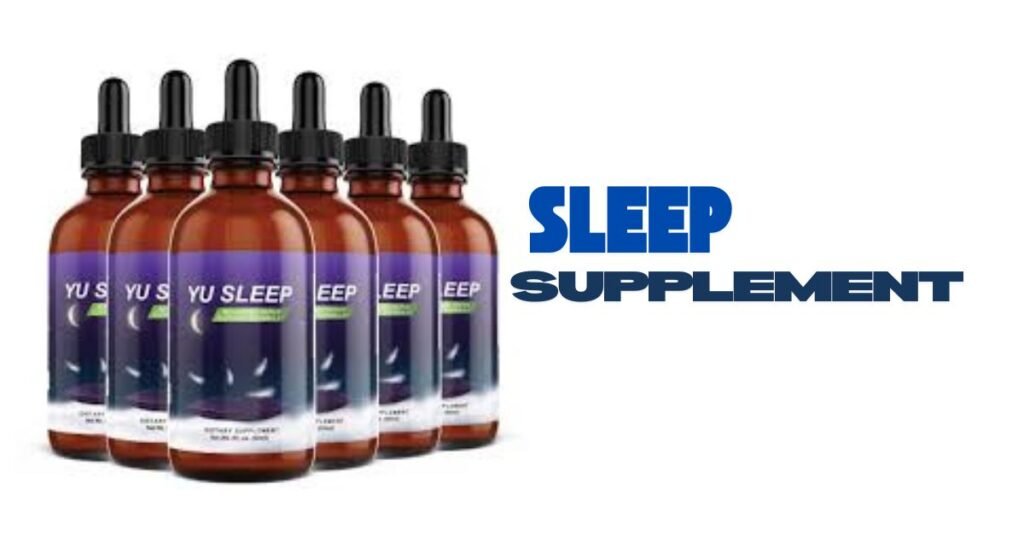
Products like Yu Sleep are typically available for purchase online through the brand’s official website or major e-commerce platforms. They may also be found in health food stores or pharmacies. When considering a purchase, it’s wise to read the ingredient list carefully to understand what is included in the formula. Look for transparent labeling that clearly states the dosage of each ingredient, including Vitamin D. It is always recommended to consult with a healthcare professional before starting any new supplement, including Yu Sleep, to ensure it is appropriate for your individual health needs.
Conclusion
The connection between Vitamin D and sleep is a powerful reminder of how interconnected our body’s systems are. What we once thought of as just a “bone vitamin” is now understood to be a key player in regulating our sleep-wake cycle and ensuring we get the deep, restorative rest our bodies and minds need to thrive.
Low Vitamin D levels are incredibly common and have been strongly linked to poor sleep quality, shorter sleep duration, and a higher risk of sleep disorders like obstructive sleep apnea. The good news is that this is a problem with clear solutions. By getting sensible sun exposure, eating a diet rich in Vitamin D, and, when necessary, taking supplements under a doctor’s guidance, you can correct a deficiency and potentially unlock a better night’s sleep.
If you have been struggling with sleep, it may be time to consider the sunshine vitamin. A simple conversation with your doctor and a blood test could reveal a missing piece of your sleep puzzle and put you on the path to more restful nights and more energetic days.


