
Deep inside your brain, nestled right in the very center, is a tiny, pinecone-shaped gland that has fascinated scientists, spiritual seekers, and philosophers for centuries. This is the pineal gland. While it may be small enough to fit on your fingertip, its role in your daily life is absolutely immense. Think of it as the master conductor for your body’s internal orchestra, influencing everything from your sleep patterns and energy levels to your mood and mental clarity.
This article will pull back the curtain on the mysterious yet vital function of the pineal gland. We’ll explore what it is, how it works, and why keeping it healthy is so fundamentally important for your overall brain health and well-being. We’ll also look at how our modern lifestyle can throw this crucial gland off balance and discuss how tools like nervous system supplements and specific products such as Pineal Guardian X claim to offer much-needed support. Let’s dive in and get to know this incredible part of our anatomy.
The Anatomy of the Pineal Gland: Your Brain’s “Third Eye”
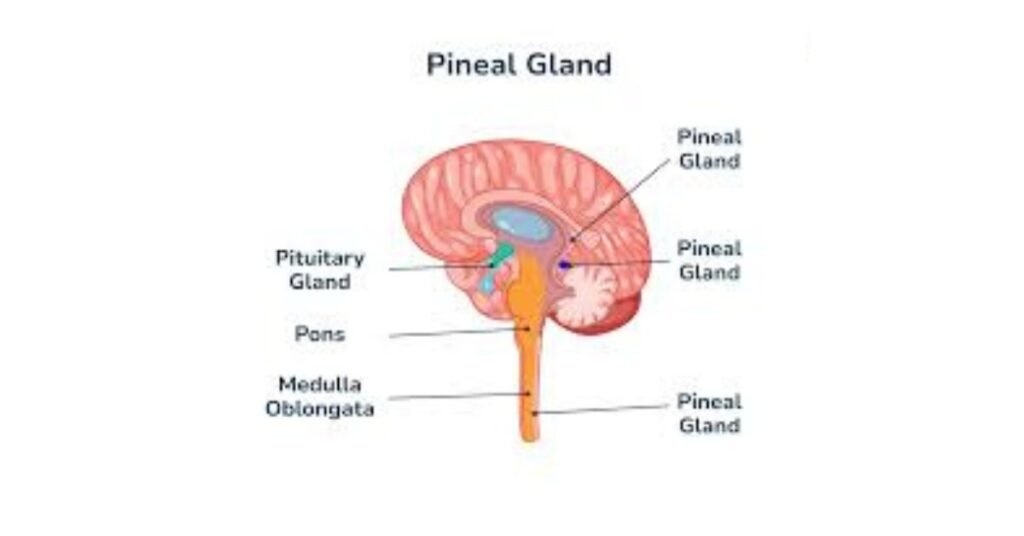
The pineal gland is a true marvel of biological engineering. It’s a pea-sized endocrine gland located in the epithalamus, a part of the brain situated between the two cerebral hemispheres. Its central and protected location has led many ancient cultures and spiritual traditions, from the ancient Egyptians to Vedic India, to refer to it as the “third eye”—a gateway to higher consciousness and intuition. While modern science focuses on its concrete biological roles, its unique placement is undeniably significant.
Unlike most of the brain, which is shielded by the highly selective blood-brain barrier, the pineal gland receives a tremendous volume of blood flow, second only to the kidneys. This direct and unfiltered access to the bloodstream allows it to effectively release its hormones into your system and simultaneously monitor your body’s internal environment for toxins and other signals. It operates in a close partnership with other key players in the endocrine system, like the pituitary and adrenal glands, creating a complex communication network that governs our physiology.
What makes the pineal gland truly unique and fascinating is its direct sensitivity to light. It contains light-sensitive cells, called pinealocytes, which function similarly to the photoreceptor cells in your eyes’ retinas. The gland receives information about the external light-dark cycle from your eyes via a complex neural pathway known as the retinohypothalamic tract. This crucial connection is the key to understanding the primary function of the pineal gland: translating environmental light signals into powerful hormonal messages that your entire body understands.
The Role of the Pineal Gland in Melatonin Production
The most well-known and mission-critical function of the pineal gland is the production and secretion of the hormone melatonin. Melatonin is often nicknamed the “hormone of darkness,” not for any sinister reason, but because its production is triggered by the absence of light. Think of it as your body’s own natural, custom-made sleep-inducing agent.
The process is a beautiful example of our body’s attunement to the natural world. When your eyes detect the fading light of dusk, they send a signal to a part of your brain in the hypothalamus called the suprachiasmatic nucleus (SCN). The SCN acts as your body’s master clock. Upon receiving the “it’s getting dark” signal, the SCN instructs the pineal gland to begin its nightly work. The gland gets busy, converting serotonin—a neurotransmitter famously associated with mood, happiness, and well-being—into melatonin.
As melatonin levels gradually rise in your bloodstream, a series of physiological changes begin. You start to feel drowsy and relaxed. Your core body temperature drops slightly, and your metabolism slows down, all in perfect preparation for a night of deep, restorative sleep. This intricate process is why you naturally feel sleepy a few hours after the sun goes down and why a healthy sleep cycle is so vital for feeling good.
Melatonin Secretion and Circadian Rhythm: Your Body’s Master Clock
The nightly secretion of melatonin by the pineal gland is the primary driving force behind your circadian rhythm—your body’s sophisticated 24-hour internal clock. This internal rhythm dictates nearly all of your physiological processes, far beyond just sleep. It governs:
- Sleep-Wake Cycles: The most obvious function, telling you when to be asleep and when to be awake.
- Hormone Regulation: Influencing the cyclical release of other crucial hormones like cortisol (the stress hormone, which should be low at night) and human growth hormone (which peaks during deep sleep to repair tissues).
- Metabolism and Appetite: Affecting how your body processes food, manages blood sugar, and regulates hunger signals.
- Immune Function: Your immune system is actually more active and vigilant at night, performing critical surveillance and repair functions, thanks in part to melatonin’s influence.
- Mental Clarity and Cognitive Function: Proper circadian rhythm is essential for memory consolidation, learning, and maintaining focus during waking hours.
When your circadian rhythm is properly synchronized, you feel energetic, focused, and resilient during the day, and you get sleepy at the appropriate time at night. However, modern life often throws a massive wrench into this delicate system. The most significant culprit is our constant exposure to artificial blue light from screens—phones, tablets, laptops, and TVs—long after sunset. This blue light is particularly potent at tricking your pineal gland into thinking it’s still daytime, which powerfully suppresses melatonin production. This disruption makes it harder to fall asleep, fragments sleep quality, and can leave you feeling “jet-lagged” without ever leaving home. This is why understanding and actively supporting the function of the pineal gland has become so crucial in our 24/7, brightly-lit world.
Pineal Gland Disorders and Their Impact on Health
When the pineal gland isn’t functioning at its best, the consequences can ripple throughout your entire body. The two most common issues that affect this gland’s health are pineal tumors and, far more frequently, calcification.
Pineal gland tumors, while rare, can be serious. They can disrupt normal hormone secretion and put physical pressure on surrounding brain structures. This can lead to a variety of symptoms, including chronic headaches, vision problems, nausea, and severe sleep disturbances. The resulting hormonal imbalance can also trigger mood disorders like depression and anxiety, and it can affect the timing of puberty in adolescents.
Calcification of the pineal gland is a much more widespread and insidious issue. Over a lifetime, calcium phosphate deposits can accumulate on the gland, gradually forming a hard, crystalline shell. This process is thought to be a natural part of aging, but a growing body of research suggests that it is happening earlier and more extensively in modern populations. Many experts believe this is due to environmental factors like exposure to fluoride (in water and toothpaste), processed foods, and other toxins.
A heavily calcified pineal gland is like a factory with its production lines clogged; it simply cannot produce adequate amounts of melatonin. Studies have linked significant pineal calcification to a host of health problems:
- Chronically Low Melatonin Levels: This is the most direct consequence, leading to insomnia, difficulty staying asleep, and non-restorative sleep.
- Increased Risk of Sleep Disorders: A higher prevalence of conditions like obstructive sleep apnea.
- Accelerated Cognitive Decline: Some research suggests a compelling link between the degree of pineal calcification and a higher risk of developing neurodegenerative diseases like Alzheimer’s.
- Mental and Emotional Disturbances: The close relationship between melatonin and serotonin means that disruptions can have a significant impact on mood, increasing the risk of depression and anxiety.
Protecting the pineal gland from excessive calcification and actively supporting its function is a powerful, proactive step you can take toward maintaining your long-term brain health, cognitive function, and overall vitality.
The World of Brain Health and Nervous System Supplements
Given the undeniable importance of the pineal gland and overall brain function, it’s no surprise that there’s a rapidly growing interest in supplements designed to offer targeted support. The market for brain health supplements is vast and can be confusing, with products aiming to improve everything from memory and focus to mood and sleep. When searching for the best supplements for brain health, it’s helpful to understand the different categories and what they offer.
Nervous system supplements are a broad category but often contain a blend of B vitamins (like B6, B9, and B12), magnesium, and adaptogenic herbs like Ashwagandha or Rhodiola Rosea. These ingredients are foundational, known to support nerve cell communication, reduce the physiological effects of stress, and promote a sense of calm—all of which can indirectly aid sleep and support pineal gland health.
Memory supplements, a popular subcategory, often feature ingredients like Ginkgo Biloba, Bacopa Monnieri, and Lion’s Mane mushroom. These focus on improving specific cognitive functions like recall, learning, and focus. While they may not directly target the pineal gland, a well-rested brain is a brain that learns and remembers better, so there is a powerful, indirect connection. The best brain supplements often take a holistic approach, combining ingredients that support multiple facets of brain function—neurotransmitter production, cerebral blood flow, and antioxidant protection against oxidative stress. This is the category where a specialized supplement designed for the pineal gland, such as Pineal Guardian X, aims to make its mark.
Pineal Guardian X: A Detailed Review
Pineal Guardian X has recently gained significant attention as a supplement specifically formulated to support the function of the pineal gland and enhance the body’s natural detoxification and melatonin-regulating processes. It claims to help “decalcify” the pineal gland and nourish the entire ecosystem that supports it. Let’s take an honest and detailed look based on available information and the multitude of Pineal Guardian X reviews.
What is Pineal Guardian X?
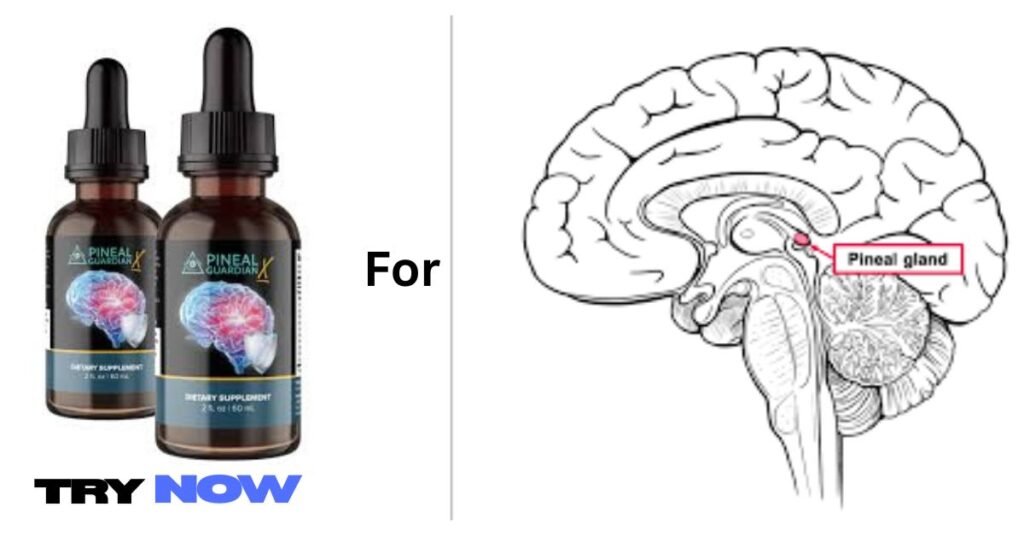
Pineal Guardian X is a liquid dietary supplement that combines a proprietary blend of nine natural ingredients. A key differentiator is its liquid form, which is designed for rapid sublingual (under the tongue) absorption, potentially bypassing the digestive system for a more direct and efficient impact. The core philosophy behind the formula is to provide the body with specific compounds that can help gently break down existing calcium deposits on the pineal gland while simultaneously supporting the nervous system and protecting against future toxic buildup.
Key Ingredients and Their Potential Roles
The formula is a synergistic blend of ingredients, each with a specific, evidence-backed purpose:
- Pine Bark Extract: This potent extract is rich in powerful antioxidants called proanthocyanidins. It is believed to help protect the brain and pineal gland from oxidative stress and may have properties that support the body’s natural processes for breaking down mineral deposits.
- Tamarind Extract: Tamarind is a tropical fruit that has been studied for its ability to help the body excrete fluoride, a halogen that is known to accumulate in the pineal gland and contribute to its calcification.
- Chaga Mushroom Powder: A powerhouse adaptogen and antioxidant, Chaga may help bolster the immune system, protect cells from damage, and support the body’s natural detoxification pathways.
- Ginkgo Biloba: Famous for its ability to improve microcirculation and blood flow to the brain, Ginkgo is essential for delivering oxygen and key nutrients to glands like the pineal, ensuring they can function optimally.
- Neem Extract: An herb revered in Ayurvedic medicine, Neem is known for its powerful detoxifying, cleansing, and antioxidant properties that can support the body’s overall wellness.
- Spirulina: This blue-green algae is a nutrient-dense superfood that can help chelate (bind to) heavy metals and support their removal from the body, further protecting the pineal gland.
What Do Pineal Guardian X Reviews Say?

Diving deep into the landscape of Pineal Guardian X reviews, several compelling and consistent themes emerge from user testimonials. The most frequently reported benefits include:
- Deeper, More Restorative Sleep: This is the most commonly cited outcome. Users from all backgrounds describe falling asleep more easily, staying asleep through the night, and waking up feeling genuinely refreshed and restored in a way they haven’t in years.
- An Increase in Dream Vividness and Recall: A very interesting and common piece of feedback is a noticeable increase in the ability to remember dreams and their vividness. Many users interpret this as a tangible sign of the pineal gland “waking up” and functioning more robustly.
- Improved Daytime Energy and Mental Clarity: As a direct result of improved sleep quality, many users report feeling a natural, clean boost in daytime energy and a significant reduction in brain fog. One user might state, “I used to rely on coffee to get through the afternoon, but now my energy is just stable and clear all day long.”
As with any supplement, it’s crucial to note that results are not universal. A person’s diet, lifestyle, age, and existing level of calcification can all influence the outcome. However, the overwhelmingly positive feedback regarding sleep quality strongly suggests that the formula has a tangible and positive effect on the body’s fundamental rest-and-recovery cycles.
The Overarching Importance of Healthy Melatonin Levels
It is impossible to overstate just how crucial healthy melatonin levels are for your overall well-being. It is so much more than just a simple sleep hormone. Melatonin is one of the body’s most powerful and versatile antioxidants, actively seeking out and neutralizing damaging free radical molecules, especially within the precious and high-energy environment of the brain.
When melatonin levels are chronically low, whether due to pineal gland dysfunction, age, or lifestyle factors, the consequences can be far-reaching:
- Chronic Sleep Disorders: This includes difficulty falling asleep, staying asleep (insomnia), or experiencing non-restorative sleep where you wake up feeling exhausted.
- Accelerated Cellular Aging: Reduced antioxidant protection can lead to faster aging of cells throughout the body, including the skin and internal organs.
- A Compromised Immune System: This makes you more susceptible to infections and may impair the body’s ability to fight off illness effectively.
- Increased Stress, Anxiety, and Mood Swings: Melatonin plays a key role in regulating the body’s stress response system (the HPA axis). Low levels can leave you feeling perpetually on edge.
- Significant Cognitive Decline: Poor sleep directly impairs memory consolidation, learning, and executive function. Over the long term, low antioxidant protection can contribute to the damage of brain cells.
Understanding the central role of the pineal gland in producing this vital hormone is the first step toward taking control of your sleep quality and safeguarding your long-term brain health. This is why the search for the best brain supplements and effective memory supplements so often leads back to the foundational pillar of supporting your natural sleep cycle.
Conclusion: Nurturing Your Inner Clock for a Better, Brighter Life
The function of the pineal gland is a beautiful, intricate, and essential part of our biology. This tiny but mighty gland acts as the bridge between our external environment and our internal world, orchestrating the fundamental rhythm of our lives. Its ability to produce melatonin governs our sleep, protects our brain from oxidative damage, and influences our overall health in the most profound ways.
In our modern world, where artificial light, chronic stress, and environmental toxins are constant companions, this vital gland is under unprecedented assault. Taking proactive and consistent steps to support its health is one of the most effective things you can do for your present and future well-being. This includes simple yet powerful lifestyle changes like practicing good sleep hygiene by dimming lights and avoiding screens for an hour or two before bed, managing stress through mindfulness or meditation, and maintaining a clean, nutrient-rich diet.
For those seeking an extra layer of targeted support, exploring high-quality nervous system supplements can be immensely beneficial. And for a more specialized approach, products like Pineal Guardian X, which are specifically formulated with the pineal gland in mind, offer a strategy based on both traditional wisdom and modern scientific understanding. By choosing to support the health of this tiny but powerful gland, you are not just aiming for a better night’s sleep—you are making a direct investment in enhanced daytime energy, clearer thinking, a more balanced mood, and a healthier, more vibrant life.


